Looking for a siding option that combines the look of wood with the resilience of masonry? Fiber cement siding delivers exactly that—an affordable, low‑maintenance façade that resists rot, pests, and extreme weather while mimicking traditional materials. In 2026 it’s becoming a top choice for homeowners who want durability without sacrificing curb appeal, and the installation process is straightforward enough for most professional contractors. For a quick comparison of how fiber cement stacks up against other popular claddings, see our Home Siding Guide 2026.
Why Fiber Cement Siding Is Gaining Momentum in 2026
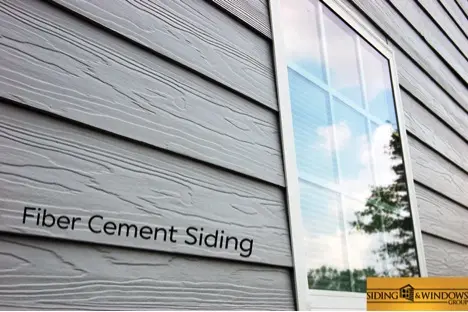
Recent market surveys from the National Association of Home Builders (NAHB, 2025) show a 22 % increase in fiber cement installations across the United States over the past two years. The surge is driven by three core factors:
- Weather resistance: Engineered to endure rain, snow, UV exposure, and even wildfire ash, fiber cement outperforms many vinyl and wood alternatives.
- Low maintenance: Unlike wood, it doesn’t need regular staining or sealing; a simple power wash every few years keeps it looking fresh.
- Cost‑effectiveness: While the material cost is modestly higher than vinyl, its lifespan—often exceeding 50 years—translates into lower long‑term expenses.
Understanding the Composition and Benefits
Fiber cement is a composite of cement, sand, and cellulose fibers, pressed and cured at high temperatures. This formulation gives the product a dense, fire‑resistant core, earning a Class A fire rating in most building codes. The cellulose fibers act like a flexible bridge, preventing cracking under thermal expansion, which is why you’ll rarely see the unsightly gaps that plague other claddings.
Table of Contents
- Why Fiber Cement Siding Is Gaining Momentum in 2026
- Understanding the Composition and Benefits
- Key Advantages Over Competing Materials
- Installation Process: What Homeowners Should Expect
- Cost Breakdown: Initial Investment vs. Long‑Term Savings
- Design Versatility: From Classic to Contemporary
- Environmental Impact and Sustainability
- Common Misconceptions Debunked
- Real‑World Case Study: A Suburban Renovation
- Frequently Asked Questions
- Is fiber cement siding fire‑resistant?
- How often does fiber cement need to be repainted?
- Can I install fiber cement over existing siding?
- What warranty do manufacturers offer?
- Future Trends: What to Expect Beyond 2026
- Bottom Line: Is Fiber Cement Siding Right for You?
Key Advantages Over Competing Materials
When you compare fiber cement to vinyl, aluminum, or wood siding, several distinct advantages emerge:
| Feature | Fiber Cement | Vinyl | Aluminum | Wood |
|---|---|---|---|---|
| Fire Rating | Class A | Class C | Class B | Class C |
| Moisture Resistance | Excellent | Good | Excellent | Poor |
| Impact Resistance | High | Medium | Very High | Low |
| Maintenance | Low | Low | Low | High |
Installation Process: What Homeowners Should Expect
Although fiber cement siding is heavier than vinyl, modern installation techniques have streamlined the process. Below is a step‑by‑step overview that contractors typically follow:
- Preparation: Remove existing siding, repair any damaged sheathing, and install a weather‑resistant barrier.
- Measurement & Cutting: Boards are measured on‑site and cut with a carbide‑tipped circular saw to ensure clean edges.
- Fastening: Using corrosion‑resistant screws or nails, each panel is secured at 16‑inch intervals to maintain structural integrity.
- Finishing: Joints are sealed with a high‑quality exterior caulk, and a paint system—often a breathable acrylic—can be applied for added color options.
Because the material is heavier, it’s essential to hire experienced installers. Our Find the Best Siding Installers Near Me – 2026 Expert Guide offers tips for vetting local pros who specialize in fiber cement.
Cost Breakdown: Initial Investment vs. Long‑Term Savings
The average price per square foot for fiber cement siding in 2026 ranges from $4.50 to $7.00, including materials and labor (HomeAdvisor, 2025). While this sits above the $3.00‑$5.00 range for vinyl, the total cost of ownership is lower:
- Longevity: Expected lifespan of 50‑60 years versus 20‑30 years for vinyl.
- Energy efficiency: Its thermal mass can reduce heating and cooling loads by up to 5 % when paired with proper insulation.
- Resale value: Homes with fiber cement siding often command a 3‑5 % premium in the market, according to Zillow’s 2026 Home Value Index.
Design Versatility: From Classic to Contemporary
One of the biggest draws is the aesthetic flexibility. Manufacturers now produce fiber cement panels that mimic board‑and‑batten, shiplap, clapboard, and even stone veneer. This means you can achieve a rustic farmhouse look without the susceptibility to rot that real wood suffers. For inspiration, check out our Board and Batten Siding 2026 Guide, which details how fiber cement can replicate that timeless style.
Environmental Impact and Sustainability
Fiber cement’s environmental credentials have improved dramatically. The cellulose fibers are sourced from sustainably managed forests, and many manufacturers now incorporate recycled cement powder. According to the Green Building Council (2025), fiber cement siding has a lower embodied carbon footprint than aluminum and comparable to wood when accounting for its long service life.
Common Misconceptions Debunked
Despite its growing popularity, some myths linger:
- “It’s too heavy for most homes.” Modern framing techniques, especially when using engineered studs, easily support the additional load.
- “It’s difficult to paint.” The surface is designed for excellent paint adhesion; a high‑quality acrylic coating will last a decade before touch‑up.
- “It’s prone to cracking in cold climates.” The cellulose reinforcement actually reduces thermal expansion, and installers use expansion joints to accommodate movement.
Real‑World Case Study: A Suburban Renovation
In a recent project in Charlotte, NC, a 2,500‑sq‑ft home replaced its aging vinyl siding with fiber cement. The homeowner reported a 12 % reduction in annual heating bills and praised the “clean, modern look” that required no repainting after five years. The contractor, who specializes in sustainable claddings, highlighted the seamless integration with existing gutter leaf guard systems—a topic explored in our Gutter Leaf Guard 2026 Guide.
Frequently Asked Questions
Is fiber cement siding fire‑resistant?
Yes. It meets Class A fire ratings, making it one of the safest exterior claddings available.
How often does fiber cement need to be repainted?
Typically every 7‑10 years, depending on the quality of the initial paint job and local climate exposure.
Can I install fiber cement over existing siding?
While it is technically possible, most experts recommend removing the old material to ensure proper moisture management and to avoid adding unnecessary weight.
What warranty do manufacturers offer?
Leading brands such as James Hardie and Nichiha provide 30‑year limited warranties covering color fade, warping, and structural integrity.
Future Trends: What to Expect Beyond 2026
Innovation continues to push fiber cement forward. Emerging trends include:
- Pre‑finished panels: Factory‑applied paint reduces on‑site labor and ensures consistent color.
- Smart integration: Some manufacturers embed sensors that monitor moisture penetration, alerting homeowners to potential leaks before they become serious.
- Hybrid textures: New embossing techniques replicate exotic stones and reclaimed wood, expanding design possibilities.
As the industry leans toward greener building practices, fiber cement’s blend of durability, aesthetic versatility, and sustainability positions it as a cornerstone of modern exterior design.
Bottom Line: Is Fiber Cement Siding Right for You?
If you prioritize long‑term performance, fire safety, and a low‑maintenance façade that can mimic premium materials, fiber cement siding is a compelling option. While the upfront cost exceeds that of vinyl, the combination of durability, energy savings, and resale value often yields a better return on investment. Pair it with reputable installers and quality paints, and you’ll enjoy a resilient, beautiful exterior for decades to come.
Ready to explore your options? Start by comparing local contractors and material quotes in our Find the Best Siding Near Me in 2026 guide, then make an informed decision that adds both style and substance to your home.
For a technical overview of fiber cement composition, see the Wikipedia entry on fiber cement.
